What Roseto knew
A town in Pennsylvania, and what it suggests about knowing who your neighbours are.
By Oliver, EveryVillage
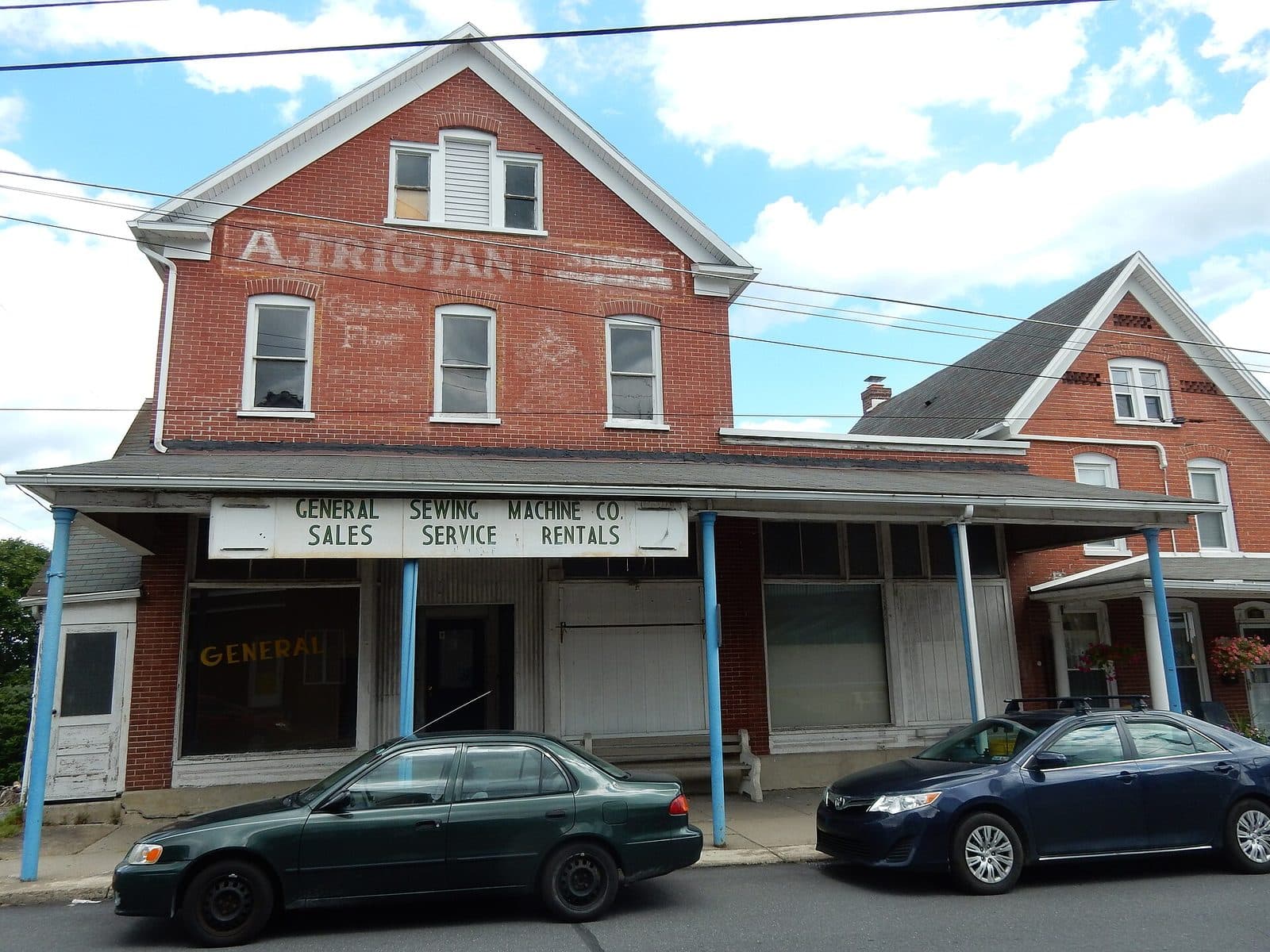
There is a town in Pennsylvania called Roseto, settled in the 1880s by families from a village in southern Italy. Doctors began arriving in the 1950s because something about the place did not add up. Hardly anyone under 65 was dying of heart disease, at a time when it was killing their neighbours two miles down the road.
They searched for a reason and found nothing in the food, the water or the family trees, since the Rosetans cooked with lard and worked in the slate quarries. The difference turned out to be social rather than medical. People knew each other, three generations lived in the same houses, a town of about sixteen hundred supported more than twenty clubs and societies, and nobody made much of being better off than their neighbour.
The researchers also predicted what would happen as that faded, and they turned out to be right. Through the sixties and seventies the town built fences, joined clubs elsewhere and started keeping score, and within a generation it looked like everywhere else, with a heart attack rate that had risen to match.
It would be too much to call any of this proof, given that it was one small town studied a long time ago, and a website is never going to do what Roseto did. What is worth borrowing is the ordinary thing underneath it, which is that people knew who their neighbours were and what they did.
Villages here still hold that knowledge, scattered across WhatsApp groups, parish magazines and what somebody's mum remembers. EveryVillage is an attempt to gather it in one place and hand it back.